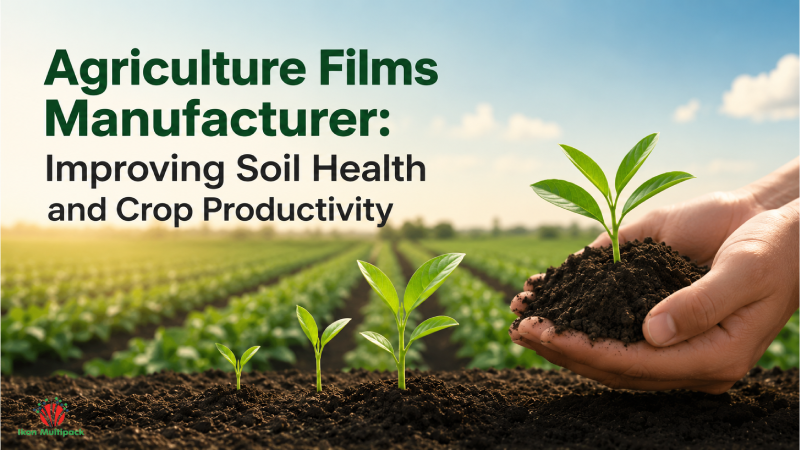
Modern agriculture faces an array of challenges—from unpredictable weather patterns to soil degradation and water scarcity. Farmers today are seeking solutions that not only boost crop yield but also improve resource efficiency. Among the most effective innovations in this space is the use of agriculture film. These films have transformed traditional farming methods, offering protection, enhanced growth, and optimized resource usage. By incorporating agriculture films into farming practices, growers can achieve higher yields, better-quality crops, and more sustainable operations.
Understanding Agriculture Film
Agriculture film is a specialized type of polyethylene film used in agricultural applications such as mulching, greenhouse covering, silage packaging, and soil solarization. Its primary function is to create a controlled environment that improves soil and crop health while reducing losses due to environmental factors.
High-quality agriculture films are designed for durability, UV resistance, and optimal transparency, which promotes photosynthesis while protecting crops from adverse conditions. They also provide moisture retention, temperature regulation, and protection against pests and weeds.
Key Benefits of Agriculture Film
- Enhanced Crop Protection: One of the primary advantages of using agriculture film is the protection it provides for crops. It shields plants from extreme weather conditions such as heavy rain, frost, hail, and strong winds. Additionally, films with UV stabilization prevent harmful radiation damage, which can affect plant growth and reduce yield.
- Improved Soil Moisture Retention: Water management is critical for modern farming. Agriculture film helps retain soil moisture by reducing evaporation, which ensures that plants receive consistent hydration. This is particularly beneficial in arid regions where water is scarce. Moisture-retentive films also prevent nutrient leaching, ensuring that fertilizers remain available to crops for longer periods.
- Temperature Regulation for Faster Growth: Certain types of agriculture film are used in greenhouses or as mulch films to regulate soil temperature. By maintaining warmth in the root zone during cold seasons and cooling the soil during high-temperature conditions, films create an optimal growth environment. This leads to faster germination, earlier harvests, and increased overall productivity.
- Weed Control: Weed management is a labor-intensive and costly part of farming. Agriculture film acts as a physical barrier, preventing weed seeds from accessing sunlight while still allowing crops to thrive. This reduces manual labor and herbicide usage, improving sustainability and reducing farming costs.
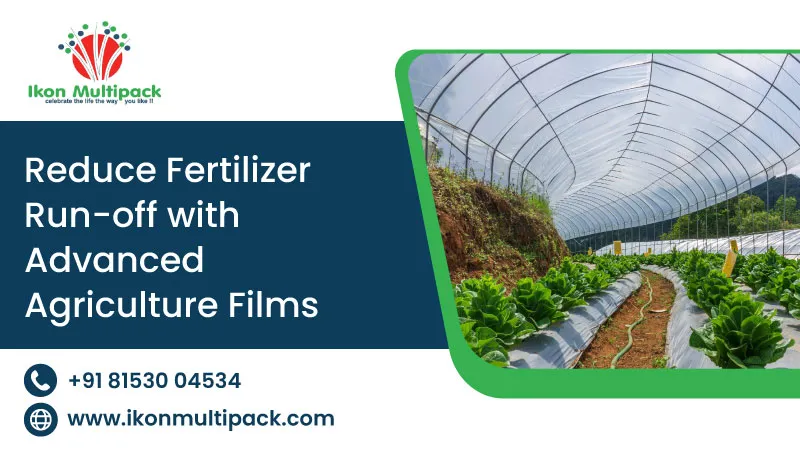
- Efficient Use of Fertilizers and Pesticides: By creating a controlled environment, agriculture films optimize the efficiency of fertilizers and pesticides. The film ensures that these inputs are concentrated near the plant roots, minimizing losses due to runoff or evaporation. This results in better nutrient utilization and healthier plants, ultimately improving yield quality.
Applications for Agriculture Film
- Mulching: Mulching films are widely used in vegetable, fruit, and flower cultivation. They cover the soil around plants, maintaining moisture, suppressing weeds, and improving soil health. Black, white, and biodegradable mulch films are available to suit different crops and climate conditions.
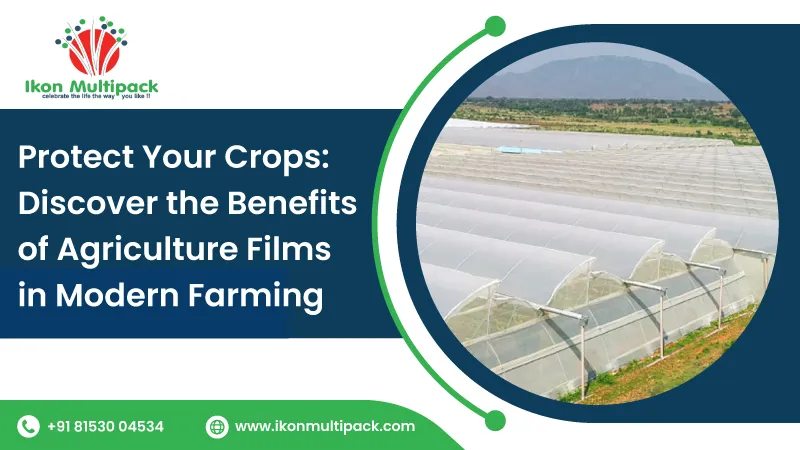
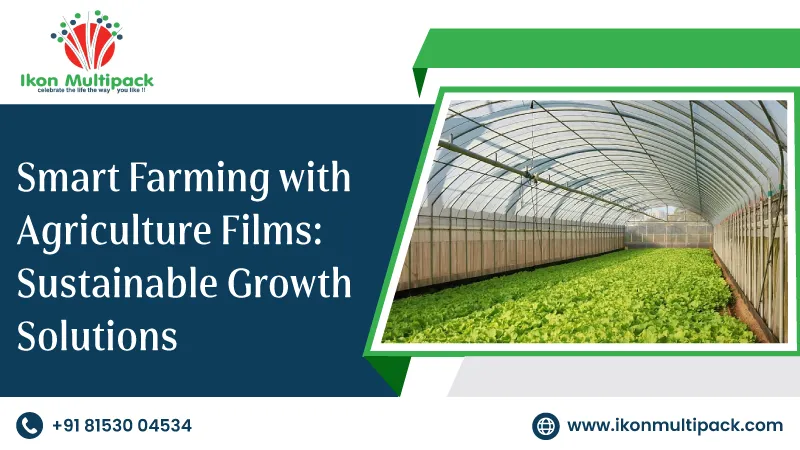
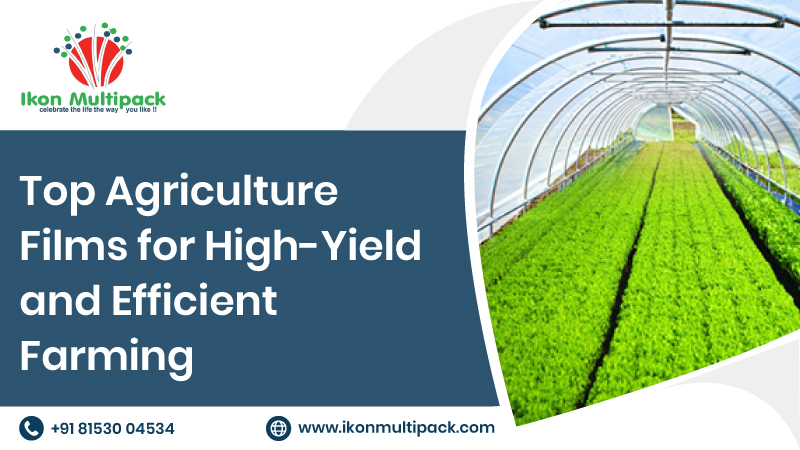
- Greenhouse Covering: Greenhouse films provide a controlled environment for plant growth, reducing external temperature fluctuations and protecting crops from pests and weather damage. Clear films maximize light transmission, supporting photosynthesis and healthy plant development.
- Silage Packaging: Farmers use agriculture films for wrapping silence, which preserves fodder quality for livestock. Properly wrapped silage reduces spoilage and nutrient loss, ensuring a reliable feed supply throughout the year.
- Soil Solarization: Agriculture films are used for soil solarization, a process that involves covering the soil to trap solar energy. This raises soil temperatures and kills harmful pathogens, nematodes, and weed seeds, resulting in healthier crops and higher yields.
- Irrigation Efficiency: In regions with limited water availability, agriculture films play a role in drip irrigation systems. By covering the soil, it reduces evaporation, maintains consistent soil moisture, and directs water to the root zone efficiently.
Choosing the Right Agriculture Film
Selecting the appropriate agriculture film depends on crop type, climatic conditions, and specific farming goals. Key factors to consider include:
- Film Thickness: Thicker films provide better durability and longer life, particularly in outdoor applications.
- UV Resistance: UV-stabilized films protect crops from harmful radiation and prolong film lifespan.
- Transparency: Clear films enhance light penetration, while colored or reflective films help control temperature and light intensity.
- Biodegradability: Biodegradable films reduce environmental impact and disposal issues.
- Tensile Strength: Strong films resist tearing during installation and under environmental stress.
Benefits of Using Agriculture Film from Ikon Multipack
- Increased crops yield due to controlled growth conditions.
- Reduced labor and chemical inputs thanks to weed suppression and pest protection.
- Improved soil moisture and temperature management.
- Cost-effective and durable films suitable for various crops and climates.
- Environmentally friendly options including UV-resistant and biodegradable films.
Why Choose Us
Ikon Multipack is a leading provider of agriculture films, delivering innovative, durable, and high-performance solutions for modern farming. With years of experience, the company offers films that optimize crop yield, reduce operational costs, and support sustainable agricultural practices. Farmers and agribusinesses trust Ikon Multipack for reliable products that provide excellent moisture retention, pest control, temperature regulation, and weed management. By partnering with Ikon Multipack, clients gain access to expert guidance on film selection, installing best practices, and tailored solutions that meet specific crop and climatic requirements. Choosing Ikon Multipack guarantees superior product quality, reliability, and farming efficiency.
Conclusion
Incorporating high-quality agriculture films into farming operations is no longer essential for modern, efficient, and sustainable agriculture. These films provide enhanced protection, better moisture management, temperature regulation, and weed control, all contributing to higher crop yields and improved quality. Ikon Multipack offers a wide range of agriculture films suitable for mulching, greenhouse covering, silage packaging, soil solarization, and irrigation support. By choosing Ikon Multipack, farmers can maximize efficiency, reduce costs, and achieve optimal farming results.
For more information about top agriculture films call +91 9558002290 or email info@ikonmultipack.com.
Key Takeaways
- Agriculture films protect crops from extreme weather, pests, and environmental stress.
- It retains soil moisture, reduces nutrient loss, and improves irrigation efficiency.
- Mulching, greenhouse, and silage applications enhance crop growth and yield.
- Proper film selection boosts durability, UV resistance, and temperature control.
- Using Ikon Multipack’s agriculture film supports sustainable, high-yield, and cost-effective farming.
FAQs
What crops benefit most from agriculture film?
Vegetables, fruits, flowers, and fodder crops benefit significantly due to moisture retention, temperature regulation, and pest protection.
How long does agriculture film last?
Film durability depends on thickness, UV resistance, and environmental exposure; high-quality films from Ikon Multipack typically last an entire growing season or longer.
Can agriculture film improve crop yield?
Yes, by controlling soil temperature, moisture, and weed growth, agriculture film significantly boosts crop growth and yield.
Are biodegradable agriculture films available?
Yes, Ikon Multipack provides biodegradable options for sustainable farming practices.
How should agriculture film be installed?
Films should be laid evenly on prepared soil, secured at the edges, and used with appropriate irrigation systems or greenhouses for optimal results.