Key Takeaways
- Protective film for Automotive Manufacturers acts as a temporary barrier to prevent scratches and surface damage during handling.
- Using protective film can help maintain the visual quality of automobile components throughout processing and transport.
- Selecting the right protective film involves considering substrate type, handling conditions, and removal expectations.
- Automotive manufacturers often apply protective film after surface finishing to ensure components remain pristine until final assembly.
- This film helps keep dust and dirt away from sensitive finishes during storage and movement.
Ikon Multipack is a leading manufacturer and exporter of surface protection films.
Automotive components move through cutting, forming, machining, painting, assembly, inspection, storage, and transport before they reach the next production stage. During that journey, even minor contact can affect a finished surface.
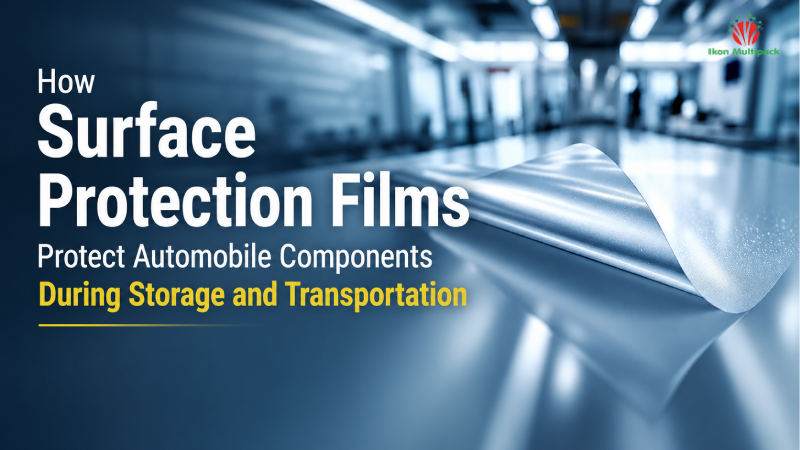
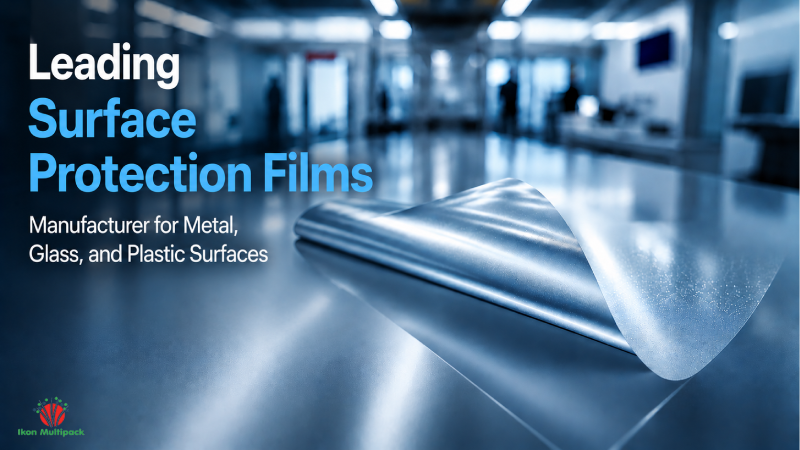
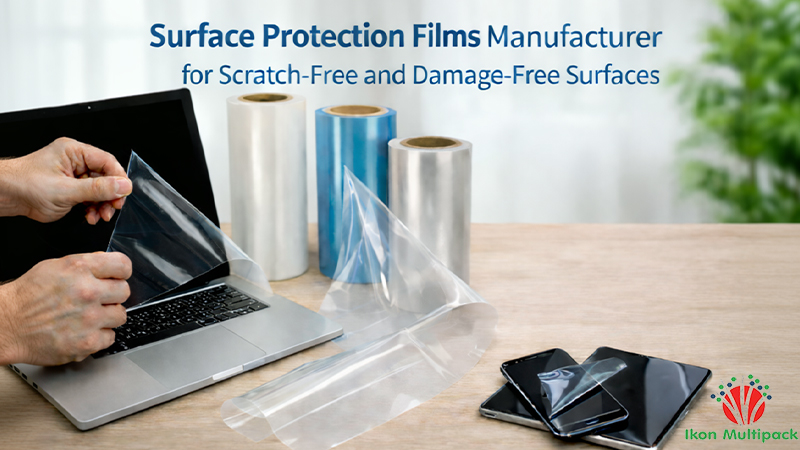
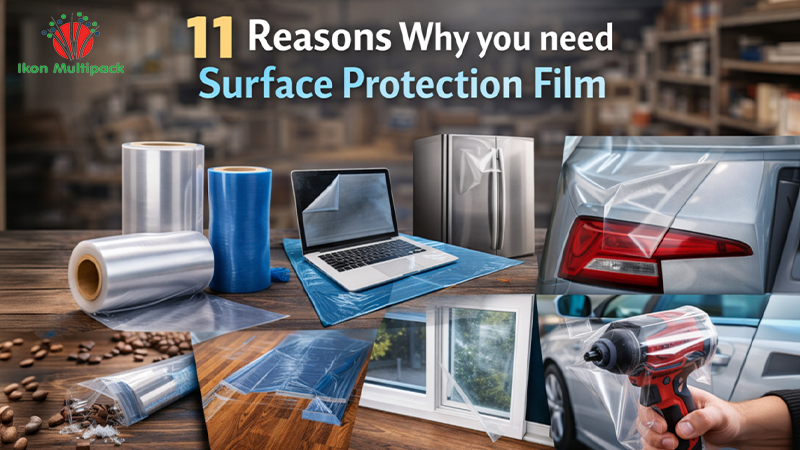
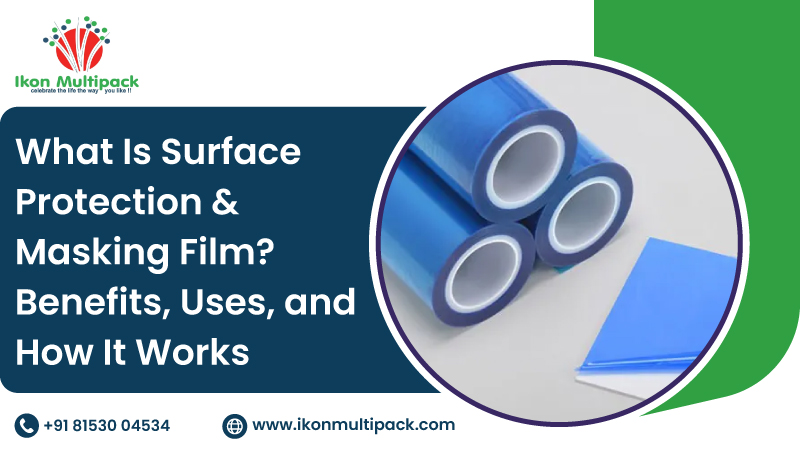
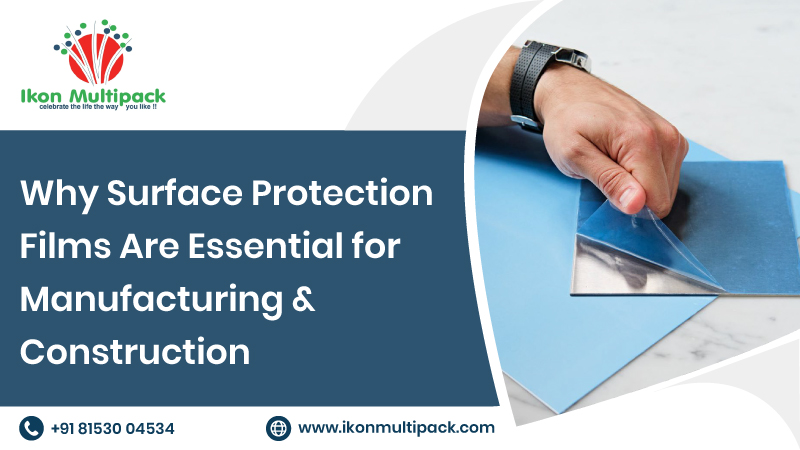
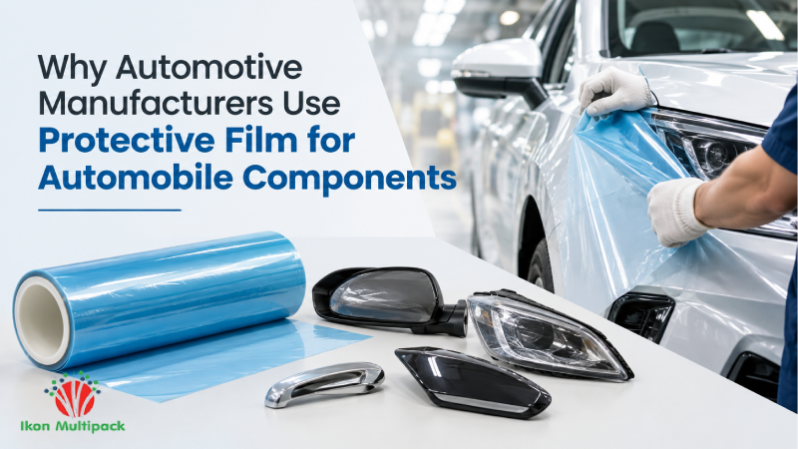
This is why protective film for Automotive Manufacturers has become a practical surface-protection solution for components that need to retain their finish. A suitable protective film acts as a temporary barrier against common handling-related surface damage.
Why Surface Protection Matters in Automobile Component Manufacturing
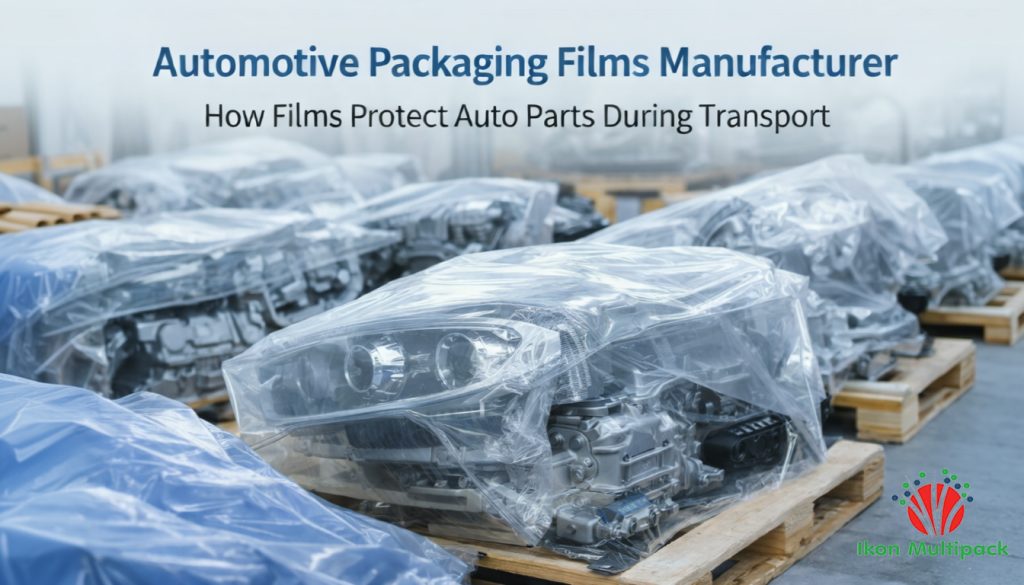
Automotive manufacturing involves repeated movement of parts between workstations, racks, warehouses, suppliers, and assembly lines. Painted, polished, coated, plastic, metal, and glass surfaces may come into contact with tools, packaging, fixtures, dust, or nearby components.
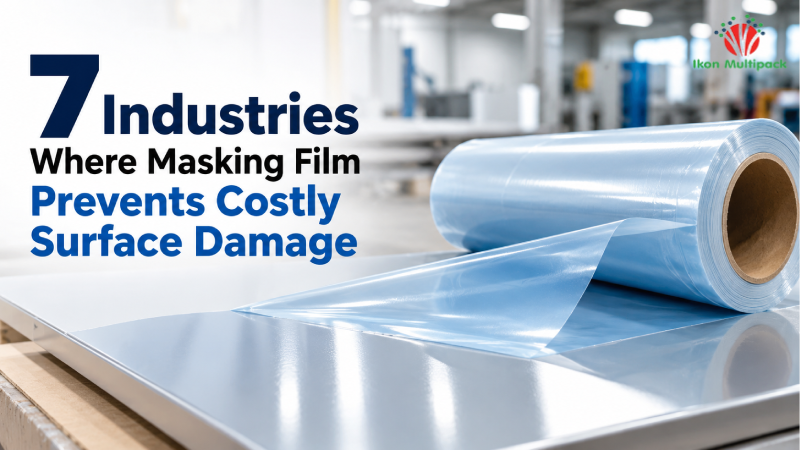
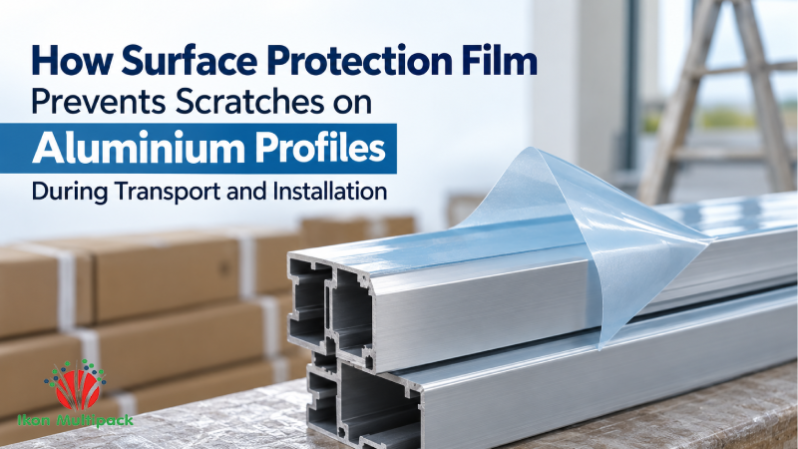
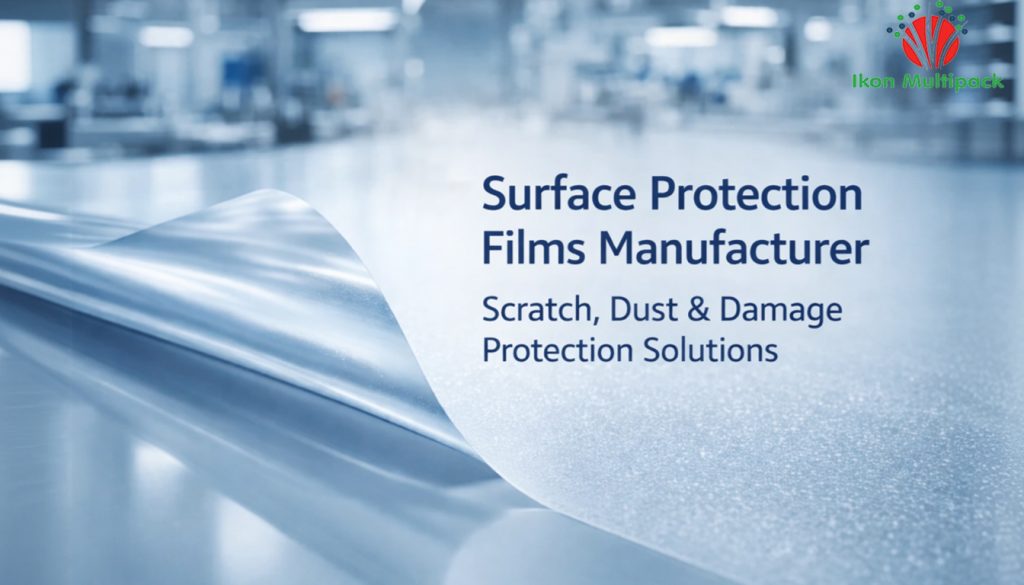
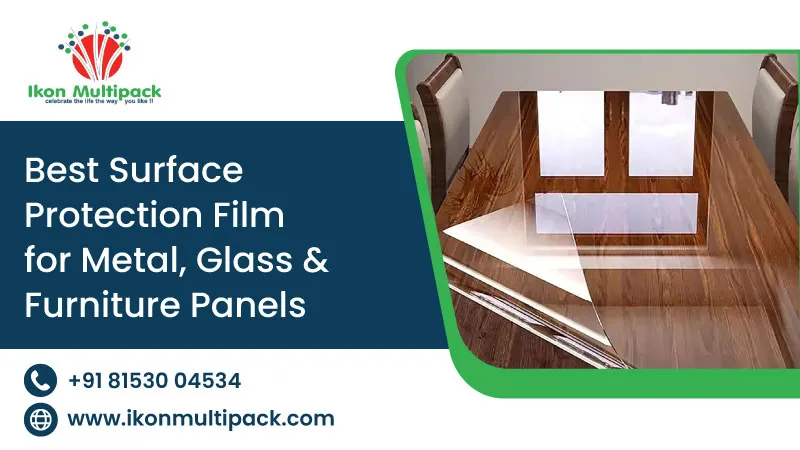
The main purpose of surface protection film is to preserve the component’s finished appearance while it moves through normal production and logistics activities. Using protective film for Automotive Manufacturers can help reduce direct surface contact during handling without becoming a permanent part of the component.
This is especially relevant for visible or finish-sensitive parts where scratches, scuff marks, dirt, and surface contamination can create extra inspection, cleaning, or rework
Where Automotive Manufacturers Use Protective Film
The film can be applied at different points depending on the component, its surface finish, and the manufacturing process. A common workflow may look like this:
- After surface finishing: Film can be applied after painting, polishing, coating, or another finishing step when the surface needs temporary protection.
- During internal handling: Protected components can move between workstations, inspection areas, and assembly points with less direct exposure to routine contact.
- During storage: The film forms a temporary layer over the surface while parts wait for the next manufacturing or dispatch stage.
- During transportation: Components sent to another plant, supplier, warehouse, or assembly location can remain covered during transit.
- Before final use or assembly: The film can be removed when the protected surface is ready for final assembly, inspection, or delivery.
A well-selected protective film should match the substrate and the way the component is handled rather than being treated as a one-film-fits-all material.
Key Benefits for Automobile Components
Automotive buyers generally look for protection that supports quality control without complicating the production process. The practical benefits of protective film for Automotive Manufacturers include:
- Reducing direct exposure to scratches and light abrasion during routine handling
- Helping keep dust and dirt away from finished surfaces
- Protecting visible finishes during storage and movement
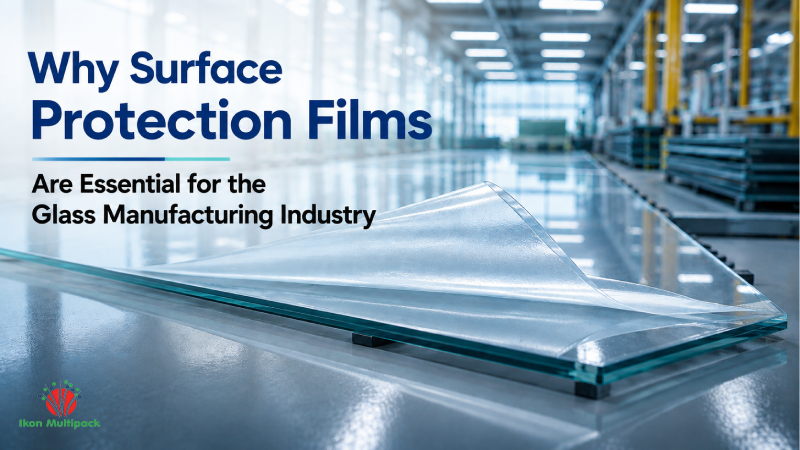
- Supporting cleaner handling of polished, painted, metal, plastic, and glass surfaces
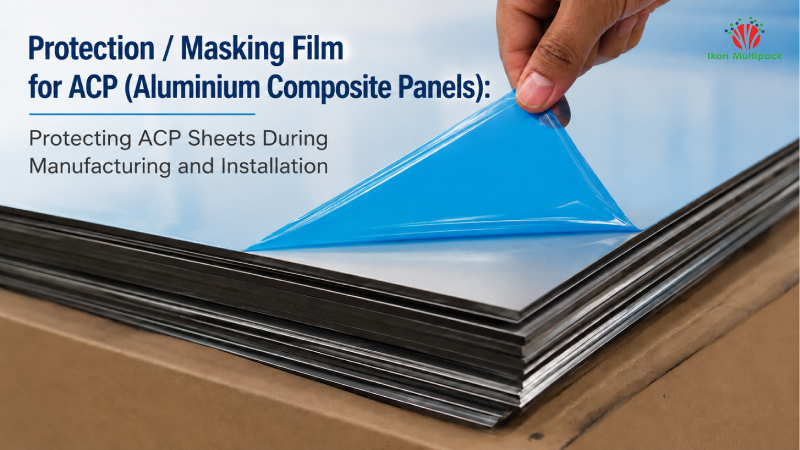
- Providing temporary protection that can be removed when the component is ready for the next stage
These benefits make protective film useful wherever surface appearance matters from production through dispatch.
Adhesive and Non-Glue Film Options
Different automotive surfaces can require different levels of grip and removal behaviour. According to its product range, Ikon Multipack offers both glue-based surface protection films and non-glue surface protection films. Its non-glue films use a co-extruded tacky layer rather than a traditional adhesive coating.
For B2B buyers, the choice should be based on the surface material, texture, finish, handling conditions, storage period, and removal requirement. A smooth sensitive surface may need a different film behaviour from a textured or more demanding surface.
Film selection should begin with the actual component surface and production conditions, not only with film thickness. This helps manufacturers evaluate adhesion, removability, coverage, and handling performance more accurately.
Why Film Compatibility Matters
The right protective film for Automotive Manufacturers needs to stay in place during the intended process while remaining suitable for removal at the required stage. Too little holding strength may allow the film to shift, while an unsuitable film can create unnecessary handling issues.
Before finalising a specification, automotive procurement and production teams should check:
- Component substrate and surface finish
- Smooth, matte, glossy, painted, coated, plastic, metal, or glass surface
- Required protection period
- Exposure during storage and transportation
- Application method and roll dimensions
- Removal expectations at the next production or delivery stage
A sample evaluation on the actual component can help buyers confirm whether the selected protective film fits their process requirements.
Why Choose Us
At Ikon Multipack, we focus on manufacturing surface protection films for industrial applications where dependable surface care matters throughout handling, storage, and transportation. Our range includes glue-based and non-glue surface protection options, allowing us to discuss different requirements based on substrate, finish, application, and removal needs. For automotive B2B buyers, our goal is to provide a suitable film specification that fits the production process while helping protect the appearance of automobile components until the film is removed.
Conclusion
Automobile components can pass through several production and logistics stages before reaching final assembly or delivery, and each movement creates opportunities for scratches, dust, dirt, or abrasion. The right protective film for Automotive Manufacturers creates a temporary layer between the finished surface and everyday handling conditions. When the film is matched to the substrate, finish, application method, storage conditions, and removal requirement, it can support cleaner component handling and better surface preservation. For manufacturers working with finish-sensitive automobile parts, selecting the right surface protection film is a practical part of production planning.
Looking for a dependable surface protection solution for your automobile components? Contact our team to discuss your component surface, application requirements, roll dimensions, and suitable film specifications.
Phone: +91 8153004534
Email: info@ikonmultipack.com
Frequently Asked Questions
What is protective film for automotive manufacturers?
Protective film for automotive manufacturers is a temporary barrier applied to automobile components to preserve their finished appearance during various stages of production and logistics. It helps protect surfaces from scratches, dirt, and damage caused by handling.
How does protective film benefit automobile components during manufacturing?
Protective film benefits automobile components by reducing direct exposure to scratches and abrasion, keeping dust and dirt away, and ensuring that visible finishes remain intact during handling, storage, and transportation.
Where are automotive manufacturers likely to apply protective film?
Automotive manufacturers typically apply protective film after surface finishing, during internal handling, while storing components, during transportation, and right before final assembly to safeguard the surfaces throughout the production process.
What factors should be considered when selecting protective film for automotive parts?
When selecting protective film, one should consider the component's substrate and surface finish, the handling conditions, storage period, and the required ease of removal. Ensuring the film's compatibility with the specific surface is crucial for optimal performance.
Why is film compatibility important for automotive manufacturers?
Film compatibility is crucial as it ensures the protective film stays securely in place during production processes while allowing for easy removal when needed. An unsuitable film can lead to handling issues or ineffective surface protection, affecting the overall quality of the components.